Amendo+ brings over 100 people to Tupã to discuss peanut management
Hosted by Fertybio with Coopermota, the event brought guests together to discuss physiology, soil and foliar nutrition, backed by 2025/2026 research results.
4 min read
- When
- August 27, 2026
- Where
- Tupã, SPView on map ↗
Knowledge sharing and a close look at technologies for peanut production set the tone for Amendo+, hosted by Fertybio in partnership with Coopermota on August 27, 2026, in Tupã, São Paulo state. The event brought together more than 100 guests, selected to take a deeper look at the peanut crop, and featured a talk by Prof. Carlos Felipe dos Santos Cordeiro, PhD.
The event took place in a venue reserved exclusively for participants, with a buffet, in a setting designed for conversation and the exchange of experience among guests.
Technical knowledge, not just a product showcase
Amendo+ was designed to go beyond promoting products. Under the theme "Physiology, soil fertility and plant nutrition in peanuts", the talk addressed the challenges of the crop and why it matters to understand how plants respond to management practices.
Research results from the 2025/2026 season with the AMEND Pro and Murus solutions were then presented and discussed with participants. Combining the professor's scientific expertise with field data allowed guests to take home technical information they can apply on their own farms.
The Borá trial
The trial was conducted in Borá, São Paulo state, led by Prof. Carlos Cordeiro of the University of Western São Paulo (Unoeste) and AmendOeste, a research group on plant nutrition and sustainable tropical systems.
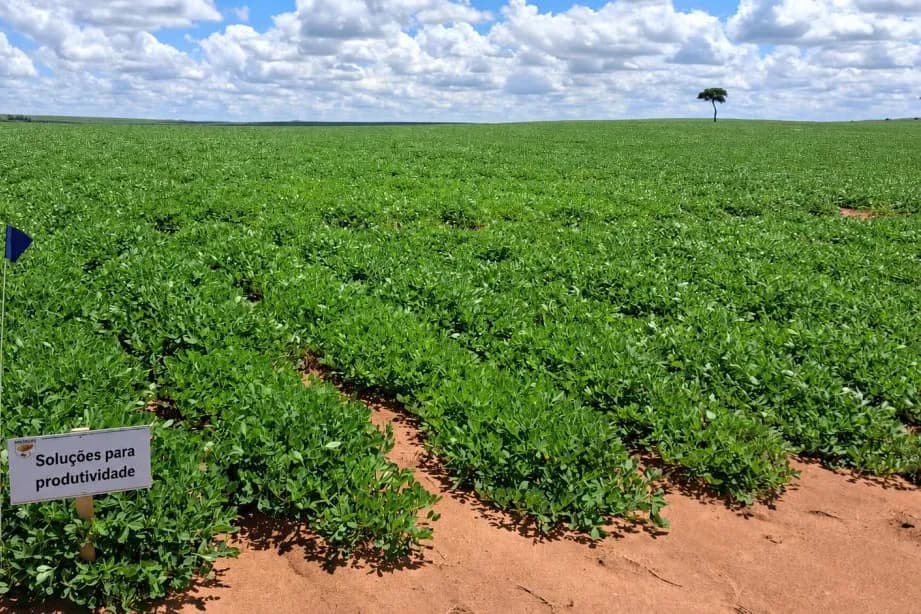
Carried out on a commercial farm, on sandy soil and with the medium-early cultivar Granoleico, the study evaluated different foliar programs and their effects on yield, yield components and the incidence of Cercospora leaf spots. It used a randomized complete block design with five replications, and treatment means were compared statistically.
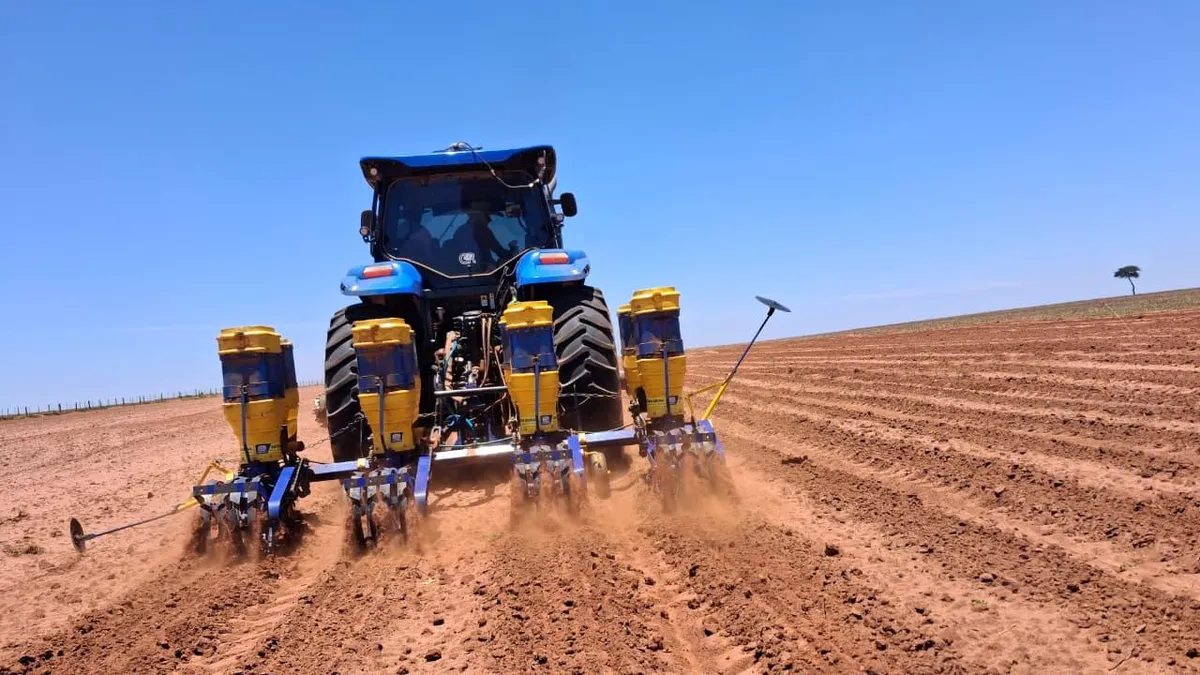
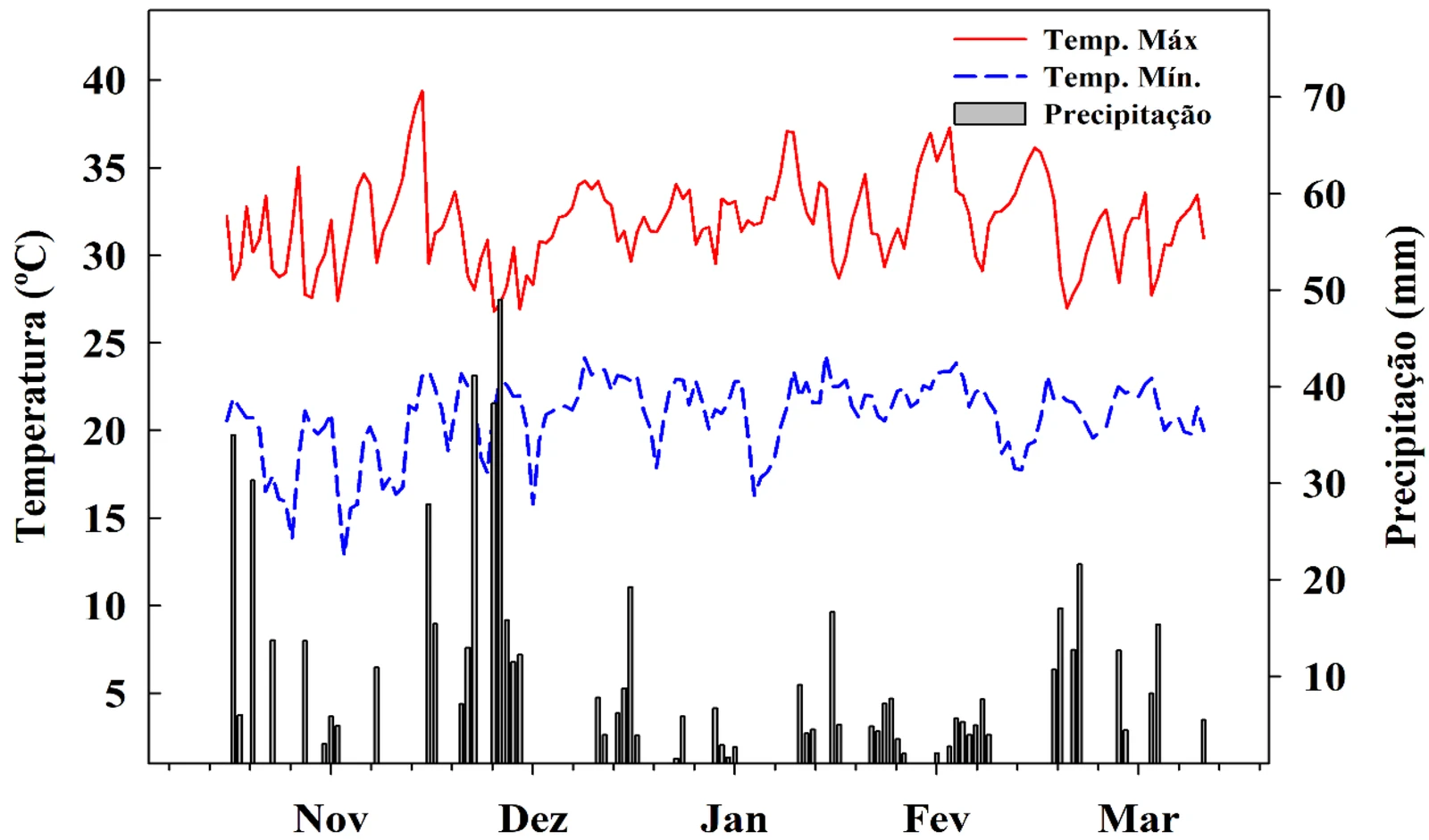
The trial was planted on November 12, 2025, emerged on November 18 and was harvested on March 15, 2026, 117 days after emergence (DAE). Total rainfall during the cycle was 509 mm, with an average temperature of 26.3 °C.
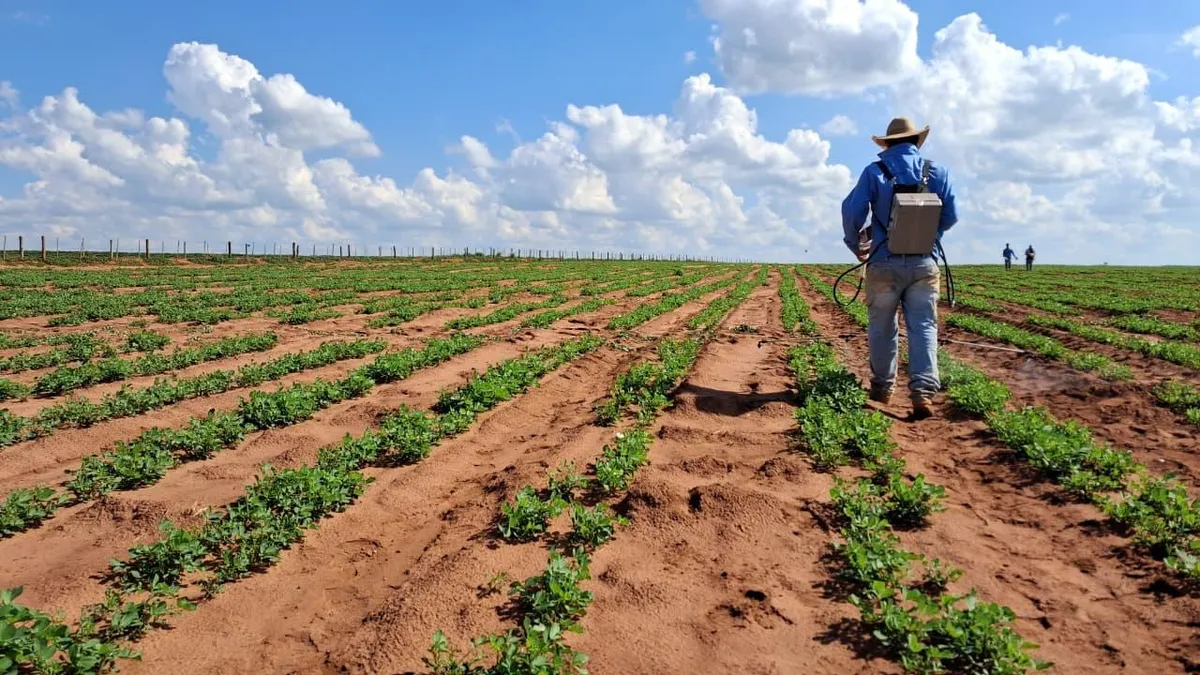
Each foliar treatment was applied separately and compared with a control that received none of these products:
| Treatment | Application timing | Rate (L/ha) |
|---|---|---|
| Control | — | — |
| Murus | 25, 40, 60 and 80 DAE | 0.2 |
| AMEND Pro | 40 DAE | 0.25 |
Yield: gains with AMEND Pro and Murus
The AMEND Pro treatment yielded 6,864 kg/ha of in-shell peanuts, compared with 6,028 kg/ha in the control. The 836 kg/ha difference was statistically significant by the LSD test at the 5% level.
The Murus treatment reached 6,482 kg/ha, a 454 kg/ha increase over the control, also statistically significant.
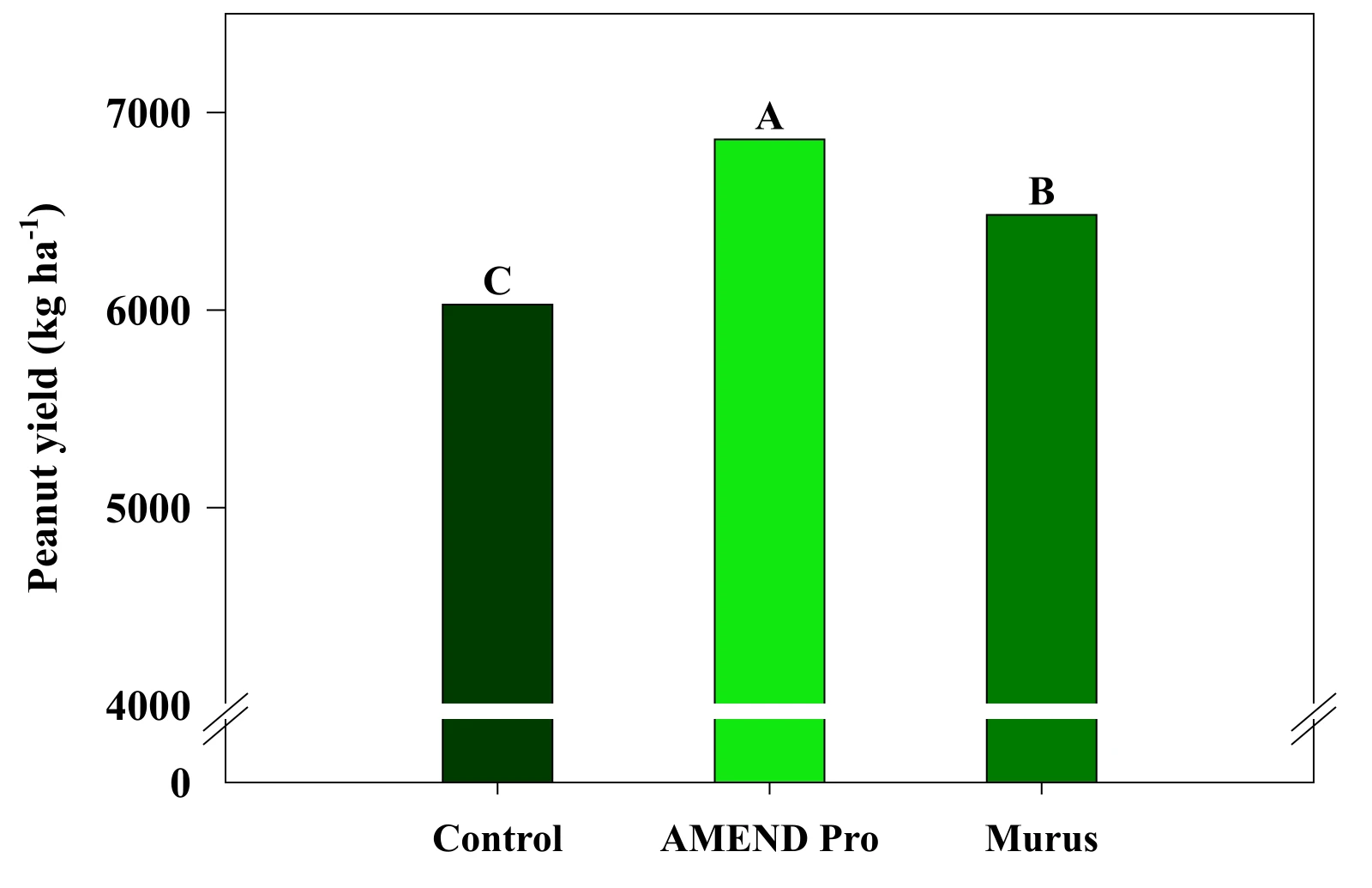
Yield components help explain these numbers. AMEND Pro had the highest number of pods per plant, which the report associates with its higher yield. Murus outperformed the control in kernels per pod and shelling percentage.
| Treatment | Pods per plant | Kernels per pod | 100-kernel weight (g) | Shelling (%) |
|---|---|---|---|---|
| Control | 29.2 bc | 1.16 c | 74.8 b | 71.9 c |
| AMEND Pro | 33.0 a | 1.28 bc | 74.4 b | 76.4 b |
| Murus | 30.0 b | 1.36 b | 73.6 b | 77.2 ab |
| CV (%) | 5.9 | 7.4 | 1.8 | 2.8 |
In the table, different letters within a column indicate a difference by the LSD test (P<0.05); CV is the coefficient of variation.
Cercospora leaf spots: a positive trend
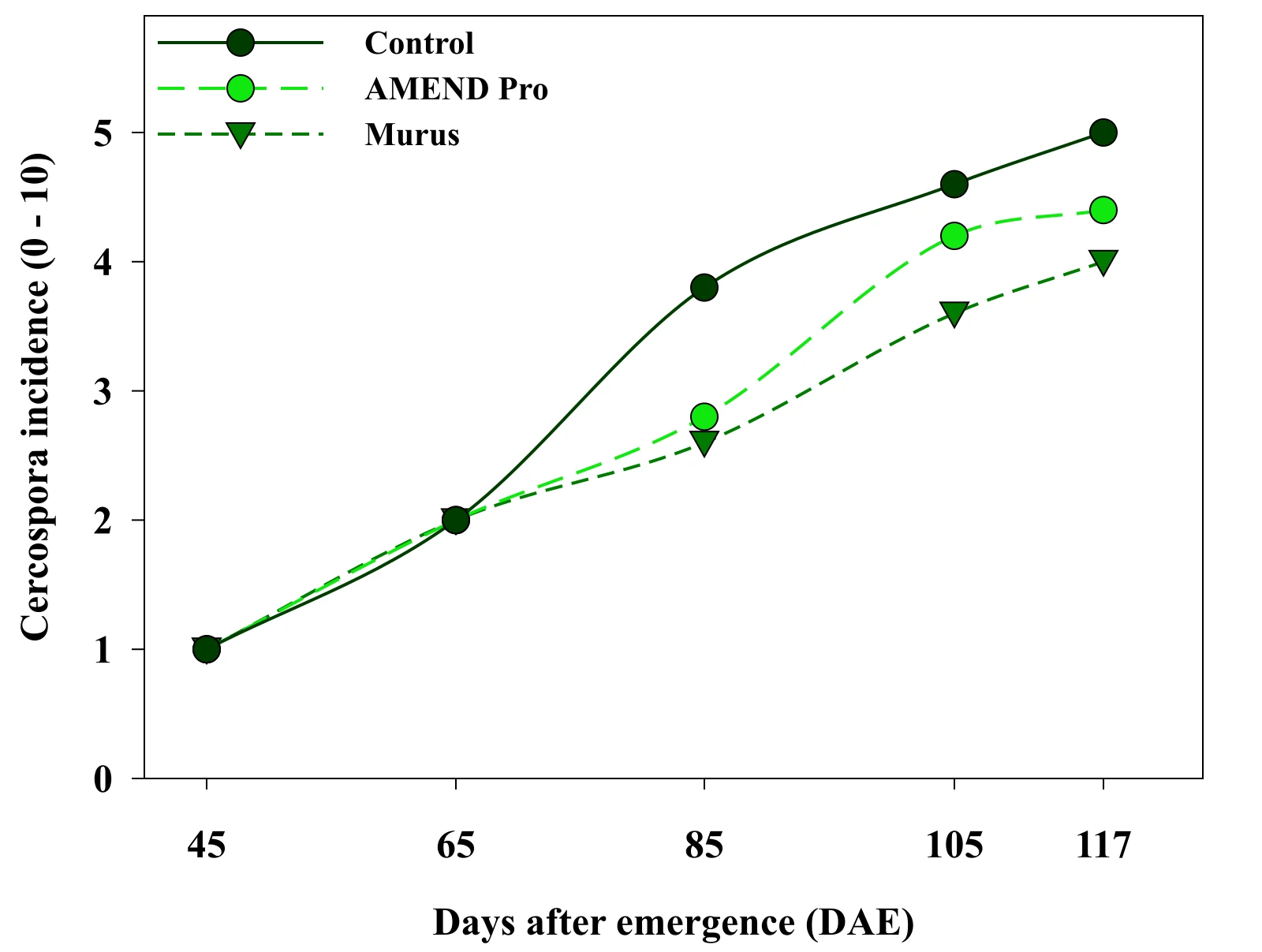
Cercospora incidence was assessed from 45 to 117 DAE using the Embrapa diagrammatic rating scale. From 85 DAE on, treated plots scored lower than the control. The differences were not statistically significant, and the report describes them as a positive trend.
Results for the field
The results reflect the specific conditions of this trial. According to the study's conclusions, each foliar program evaluated produced a specific response and is worth exploring further in future research with other combinations, rates and application timings.
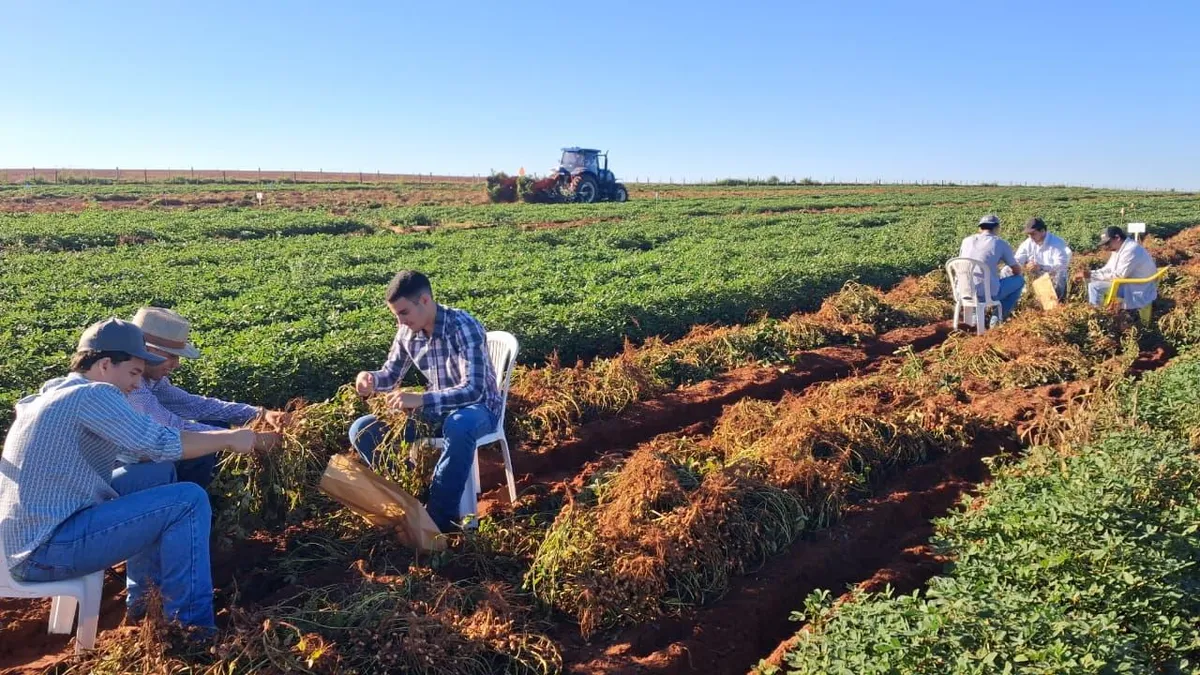
By connecting physiology, management and applied research, Amendo+ created space to discuss technologies grounded in trial results and in the experience brought by participants themselves. The event strengthens the partnership between Fertybio and Coopermota in promoting technical knowledge for peanut production in the region. Fertybio thanks everyone who attended and contributed to the meeting.
To find out how these results apply to your operation, talk to a Fertybio agronomist or see the Fertybio peanut program.